(1) (1) (1) (1) (1).png)
The charms themselves were less about their intrinsic value than the supposed power they bestowed upon their owner, particularly when certain gemstones and materials were believed to possess magical properties.
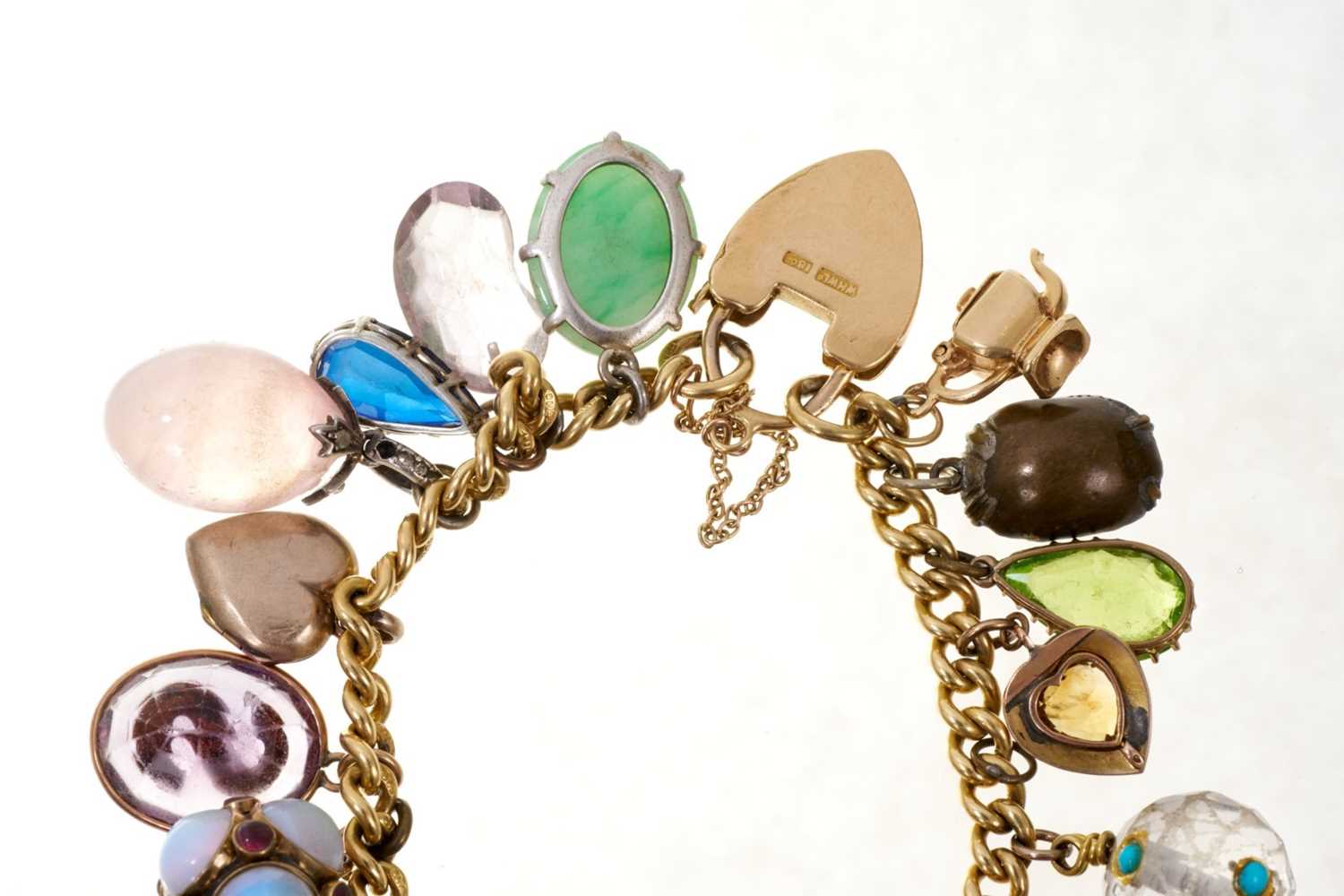
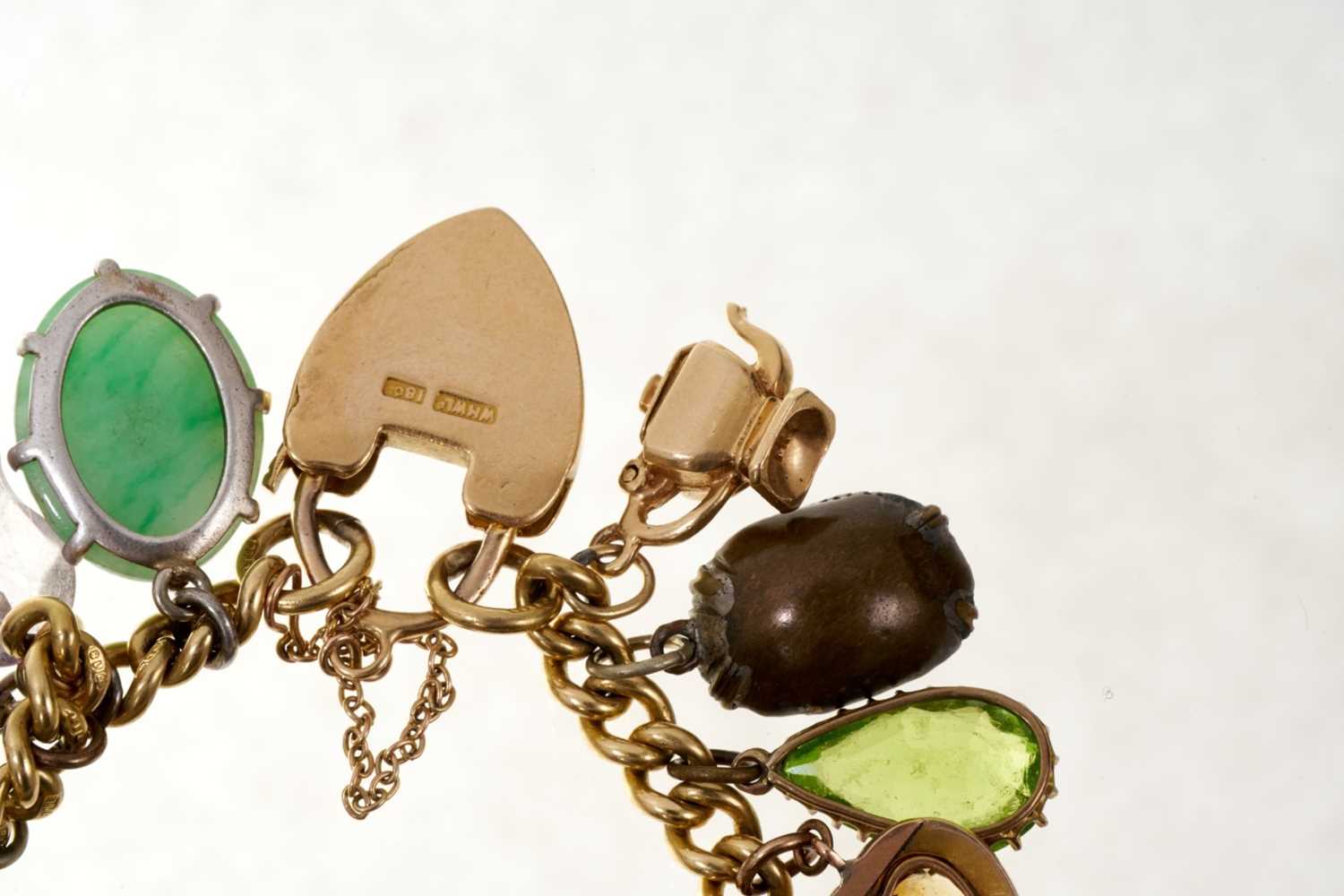
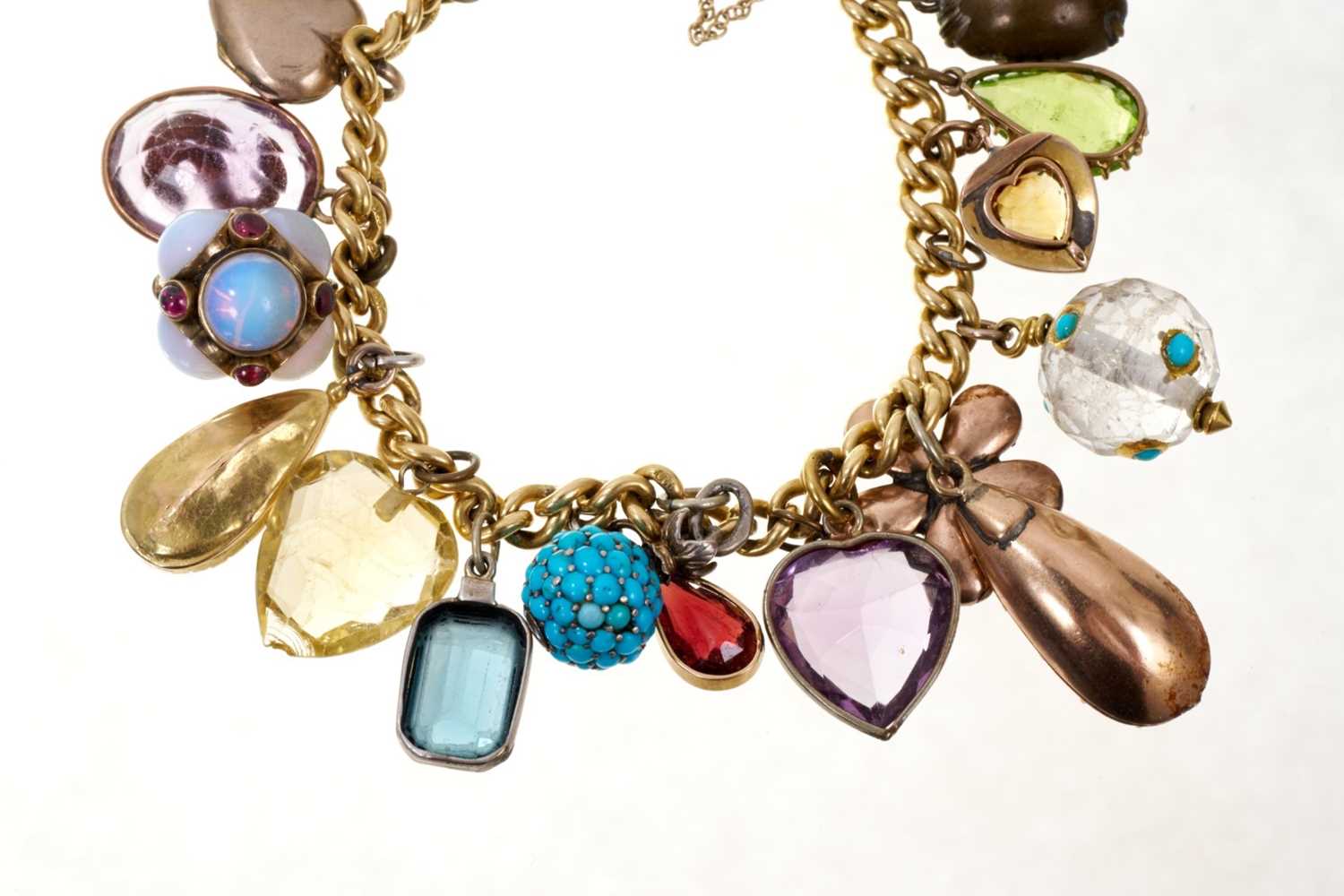
Queen Victoria is probably the most famous wearer of a charm bracelet. She wore hers constantly, and it is now held in the Royal Collection. Victorian manufacturers, ever resourceful, wasted no time in creating a huge variety of charms, each carrying its own message: hearts representing love and devotion, padlocks symbolising fidelity, and beans representing not only fertility but also endurance, growth, new beginnings and longevity.
During the 20th century, the fashion for charms became even more popular. With the outbreak of two World Wars, lucky charms were given to sweethearts, while in the post-war years, as travel became increasingly popular, souvenir charms returned as treasured reminders of places visited. Charms were designed for birthdays, anniversaries and almost anything else worth celebrating. Even today, they remain an affordable and wonderfully personal gift.
In the 1970s, I remember my mother wafting into my bedroom in a “Margo Leadbetter” kaftan before going out to dinner, smelling of Calèche, her charm bracelet jangling at her wrist.
These are the pieces that become heirlooms: collected over a lifetime, added to for each new chapter, and eventually passed down to future generations.