When Harry Becker moved with his family from London to Suffolk, in 1912, he exchanged a successful career as an artist for a life of rural isolation and increasing oblivion. A couple of commissions from the London Underground and the inclusion of a few works in exhibitions by the Royal Society of British Artists were not enough to provide an income for his family. But Becker’s artist wife Georgina had come to know Dorothy Loftus, who was a close friend of the redoubtable headmistress of St Felix School in Southwold, Miss Silcox, and this connection enabled Georgina to be appointed to teach drawing at St Felix in 1916.
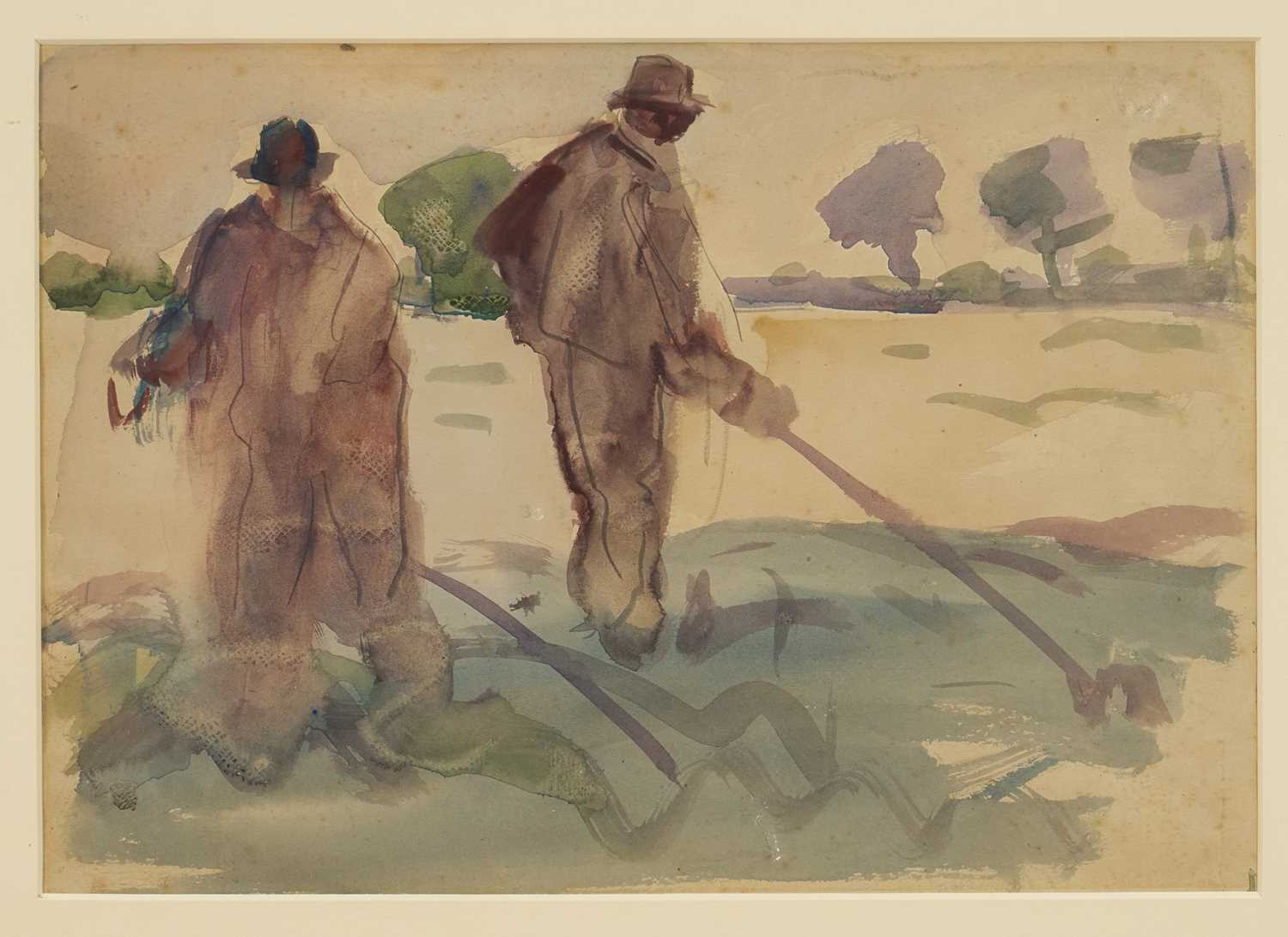
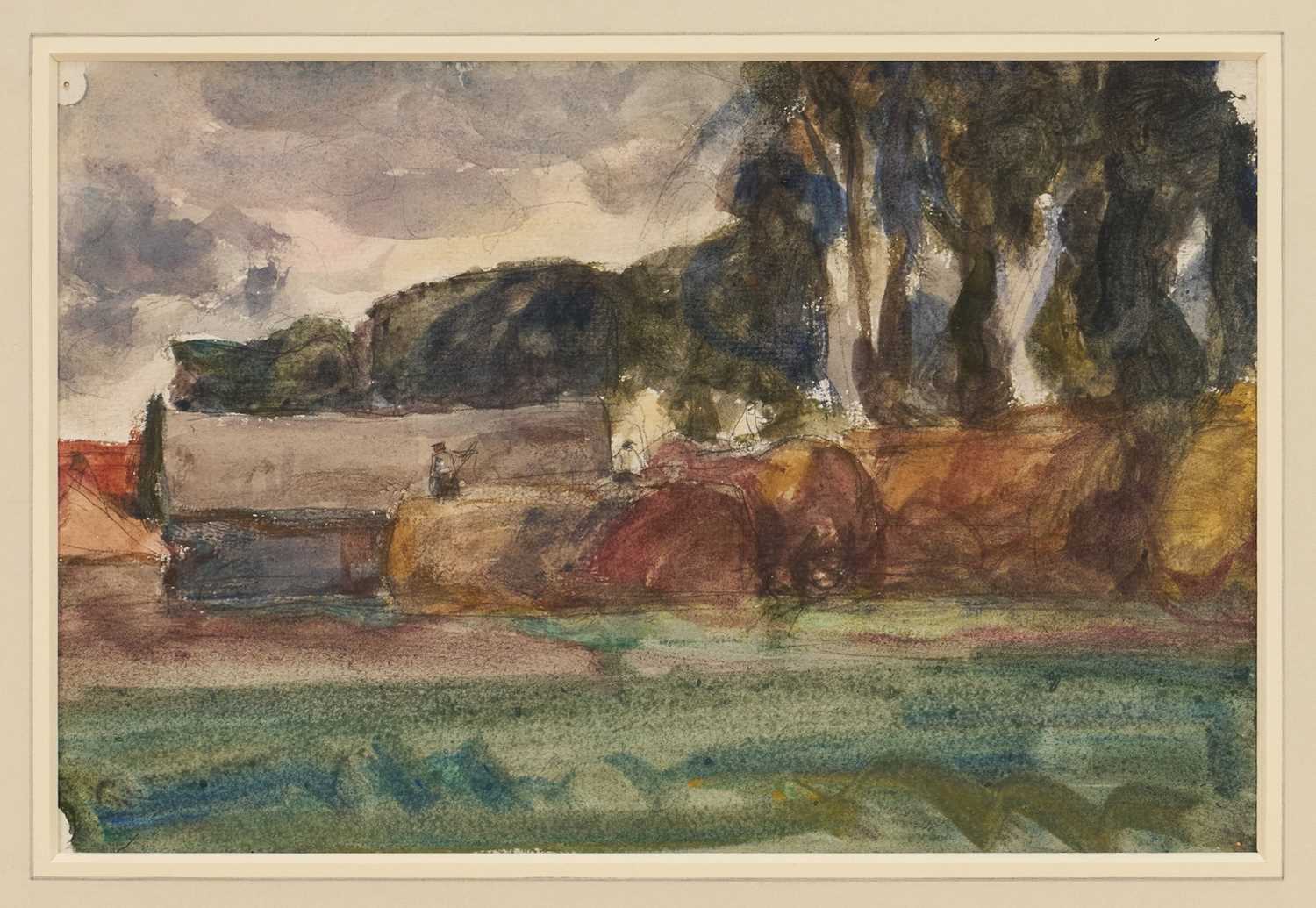
She held that post until 1923 but her earnings as an art teacher were never sufficient to keep the family afloat. The generosity of the local butcher (who allowed them long extended credit) and raids on their daughter Janet’s pocket money (supplied by her godmother) were augmented by the support of Dorothy’s husband Pierse Loftus, Chairman of the local brewery. Pierse bought many of Becker’s paintings (which he displayed at the Swan Hotel in Southwold) and organised a large exhibition of his work in 1925. He even paid his rent when times were hard.
In 1926, for example, Becker owed two quarters rent (£18-6-0) and was facing eviction from his cottage at Hinton. He wrote an urgent plea for help.
‘Dear Loftus
Will you help me in this? You have always been such a brick in these things & you well understand how I am situated.
I would have come over myself but for the last fortnight I have been in bed with bronchitis and have not been out yet.
If you will help me please take as many pictures as you like as security. I have a lot of new watercolours you have not seen do come and see them.’
Pierse resolved that immediate crisis and a few weeks later arranged for Becker to paint a portrait of Miss Silcox, to mark her retirement as headmistress of St Felix – a tactful way of providing income and recognition without the taint of charity.
After Becker’s death in 1928 Pierse and Dorthy Loftus continued to support his widow Georgina, who outlived her husband by thirty years. In 1930, together with the London artist Kenneth Green (Becker’s only pupil) they helped organise a memorial exhibition of his work through the Redfern Gallery in Mayfair, and this was followed, six years later, by a small exhibition at Colchester. In 1942 seventy of Becker’s works (many from the Loftus family collection) were chosen by Adrian Bell to illustrate a special edition of his Suffolk farming trilogy, Corduroy, The Cherry Tree and Silver Ley.
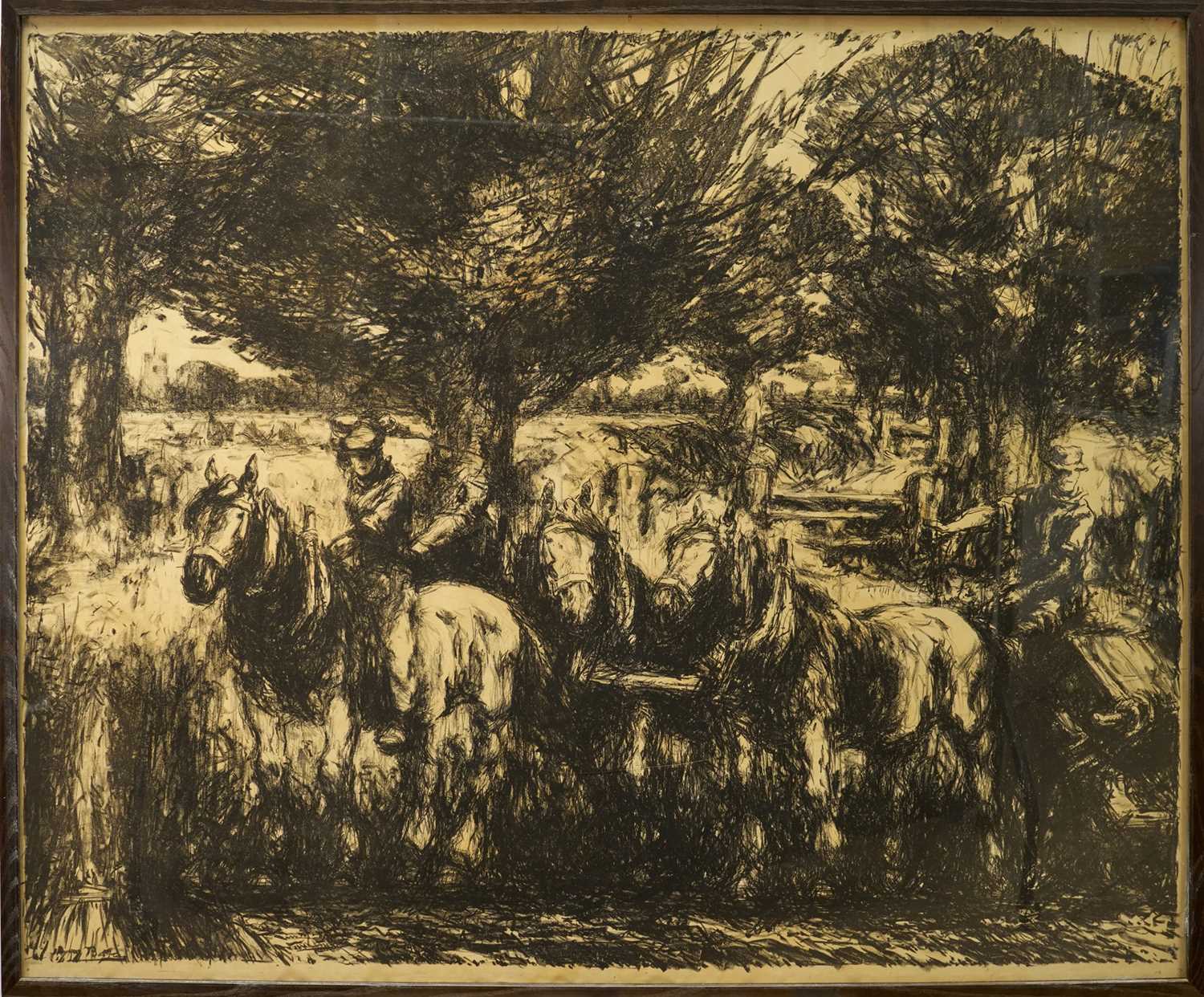
Pierse’s son, Nico Loftus, continued to support Georgina Becker and to buy more works – and in 1957 (together with Kenneth Green) staged a Memorial Exhibition as part of The Aldeburgh Festival. The proceeds went entirely to Georgina.
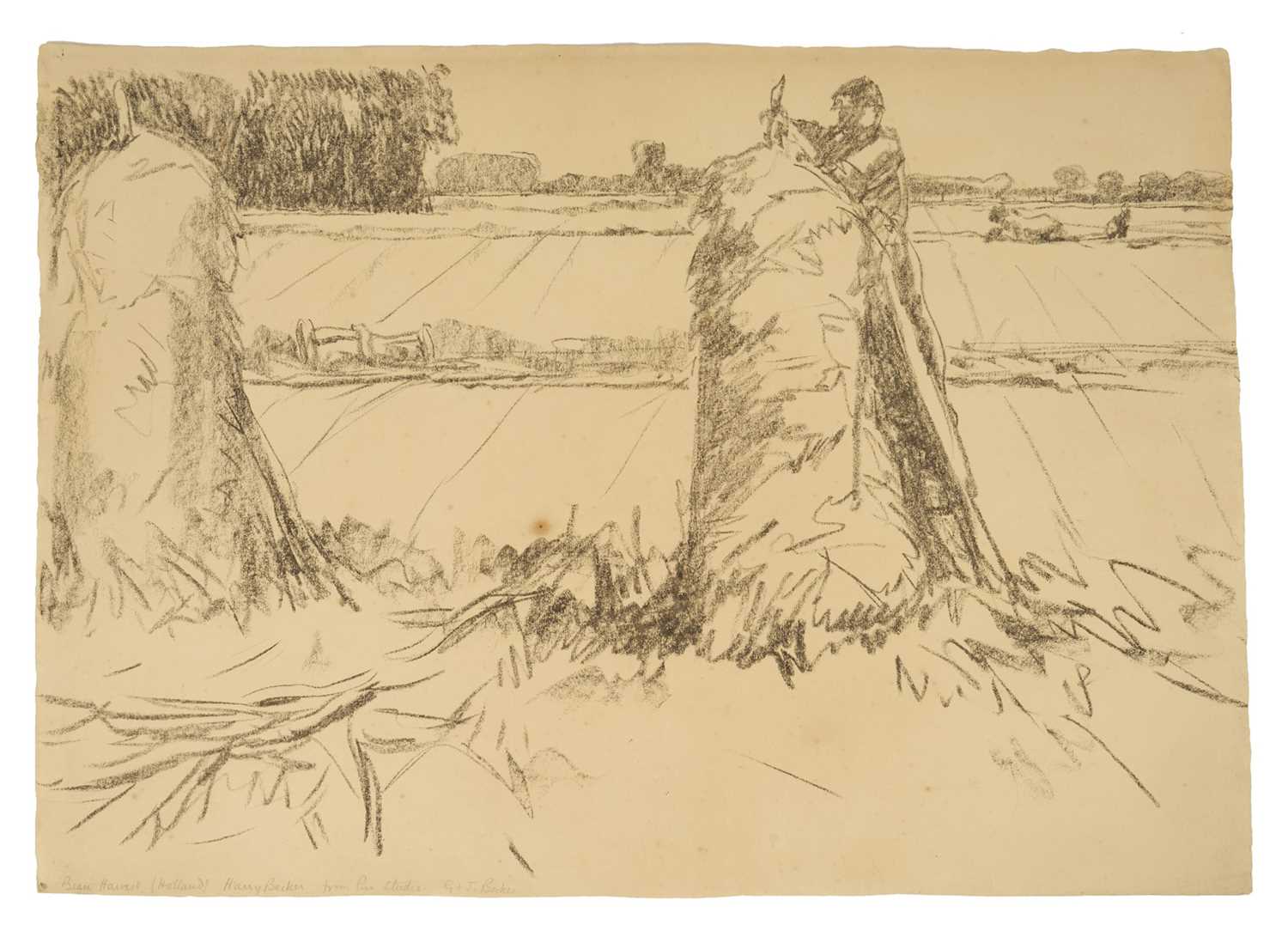
Becker’s daughter Janet had died in 1953, so when Georgina herself was dying, in 1958, she decided to leave the remaining contents of Becker’s studio jointly to Loftus and Green – chests and folders of drawings, lithographs, etchings, watercolours and oils. Kenneth Green made a personal selection from this legacy but the bulk of it ended up with Nico Loftus and his wife Prue, who over the following decades staged small exhibitions, selling Becker’s works to local enthusiasts. More recently their son Simon Loftus (on behalf of his siblings) has worked with The Wildlife Art Gallery in Lavenham, Gainsborough’s House at Sudbury, Abbott & Holder in London and Jason Gathorne-Hardy at Great Glemham in Suffolk to publicise and sell Becker’s work to a wider audience.
Now, through Reeman Dansie, the Loftus family are offering the remaining works from Becker’s studio over three sales; after our successful initial sale in April, we are pleased now present Part II.